About Us
Forget the ‘dis’ what about the ABILITY?
Have you ever thought about your reaction or assumptions when you hear the word disability? What impression or characteristic comes to the forefront of your mind and does this affect how you interact with individuals who are classed as ‘disabled’?
Recently I looked at a definition and realised that it didn’t help attitudes about the ability and potential of individuals with disabilities.
Ability – possession of the means or skill to do something. Talent, skill, or proficiency in a particular area.
‘dis’ is a negative prefix. It means not or none. When we add dis– to the beginning of a word, we give it the opposite meaning
So maybe that’s the problem, our brains think DISabled so can’t do or succeed. So, lets change the narrative.
Every individual on this planet has things they can do and things they cannot. At times we are all hindered by a situation or barrier, such as unable to open a door because we are carrying something heavy or cumbersome. However, our instinct is to put everyone into groups and make very general statements like boys are good at maths and science and girls at literature and social sciences. We can all relate to the frustration this brings, the assumptions people make because of our gender, age, ethnicity, qualifications, or disability.
I have heard many disabled colleagues’ frustrations because others put them in a box and make assumptions. It is true that disabilities may change what a person can and cannot do, so I was a keen hiker but that is no longer possible now I scuba dive but that doesn’t alter my other abilities.
If we look at the social model it changes the perspective:
The social model sees ‘disability’ as the result of the interaction between people living with impairments and an environment filled with physical, attitudinal, communication and social barriers.
We take the focus off the individual and onto the environment, so for example, people in wheelchairs are disabled by stairs and doorways not the condition they live with. If we offer a lift or ramps, we take that barrier away and the individual can now freely participate in a meeting or away day.
Have you ever thought that those with disabilities are often good problem solvers or critical thinkers as they use these skills every day to engage with a world not designed for them? Many will have to think how to overcome these barriers to engage with others which non-disabled do not, it makes them more adaptive to change and able to identify solutions, would that be good in your team? The key is looking for the persons abilities and not the effects of the barriers. As an example, making systems accessible isn’t a ‘nice to have’ for some but critical to allow them to do everyday tasks at work. If you think it is a nuisance, try using your laptop with your eyes closed or without the mouse or keyboard to manoeuvre around the screen; then you will experience to some degree the barriers faced daily by some colleagues.
So, for a bit of perspective let’s look at some famous faces who have achieved great success and live with a disability. They used their abilities and overcame the barriers put in their way and succeeded in their specialism; there are many more.
| Elton John | Morgan Freeman | Pink | Richard Branson | Halle Berry |
| Epilepsy | Fibromyalgia | Asthma | Dyspraxia & ADHD | Diabetes |
Finally, there is a common perception that developing a disability or long-term health condition is the worst thing to happen to you. I won’t say it is easy and you do have to accept and learn to adapt. I want to introduce Henry Fraser, a talented sportsman who at the age of 17 became a quadriplegic. He revisited a hobby that he had dropped to play professional level rugby and has made this his new career. Have a look at his paintings which he creates just using his mouth. He forgot the ‘dis’ and concentrated on his ABILITY.
How many of us could do what those above have achieved? How many of us could run as fast as Jonny Peacock?
Disabled people can (and do) demonstrate a huge range of talents; They are people, just as the non-disabled are, talented people who happen to have a condition that disables an aspect of their ability.
So, let’s forget the ‘dis’ and concentrate on the ‘ability’
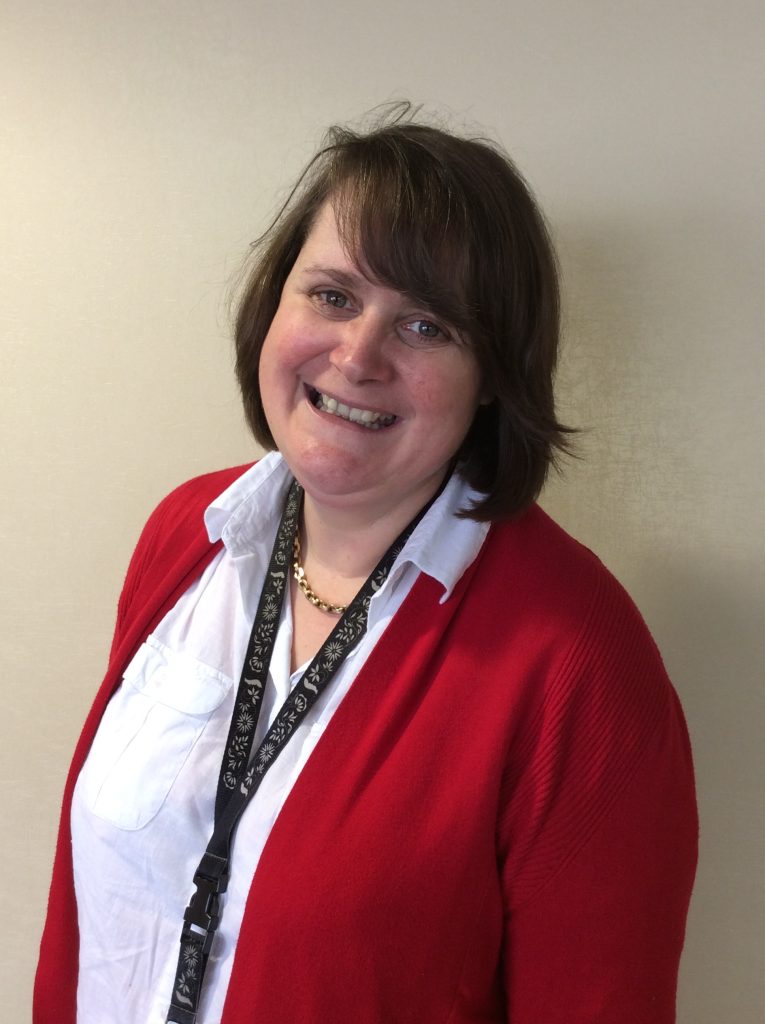
Rebecca White
Founder CEO